Few trees put on a show like a starfruit loaded with glowing yellow, five-pointed fruit. Carambola is also one of the more forgiving tropical fruit trees for Florida homeowners: it stays a manageable size, it can bear more than one crop a year and it handles a little more cold than many tropicals once it's established. Here's how to grow it well, from Miami to the Tampa Bay area.
Meet Arkin, Florida's go-to sweet starfruit
Arkin was selected in Florida and named for Morris Arkin, a South Florida grower. It became the main sweet carambola variety grown commercially in the state, and it's a great backyard choice too. The fruit is golden yellow, crisp and juicy, with a sweet, mild flavor and a perfect star shape when sliced. Our Arkin Starfruit trees are a good size to get started.
Where to plant
- Full sun. Carambola fruits best with plenty of direct sun.
- Shelter from wind. Strong wind tears the leaves and scars the fruit. A spot on the leeward side of the house, a fence or a hedge works well.
- Good drainage. Starfruit doesn't tolerate flooding or constantly soggy soil. Plant on a low mound if water collects in your yard after storms.
- Room to grow. In the ground, a starfruit can become a medium-size tree, but regular pruning keeps it at picking height.
Plant it the same way you'd plant any container-grown fruit tree: at the same depth it grew in the pot, with a wide hole and native soil as backfill. Our step-by-step guide to planting a grafted mango tree covers the method.
Alkaline soil and yellow leaves
Starfruit prefers slightly acidic soil. On the alkaline limestone soils of Miami-Dade, it's prone to yellowing leaves from iron, manganese and zinc deficiencies. The fix is a fertilizer that includes micronutrients, plus a chelated iron soil drench made for high-pH soil and foliar sprays of manganese and zinc during the growing season. In sandy Central Florida soils, the challenge is different: nutrients wash through fast, so regular light feedings matter.
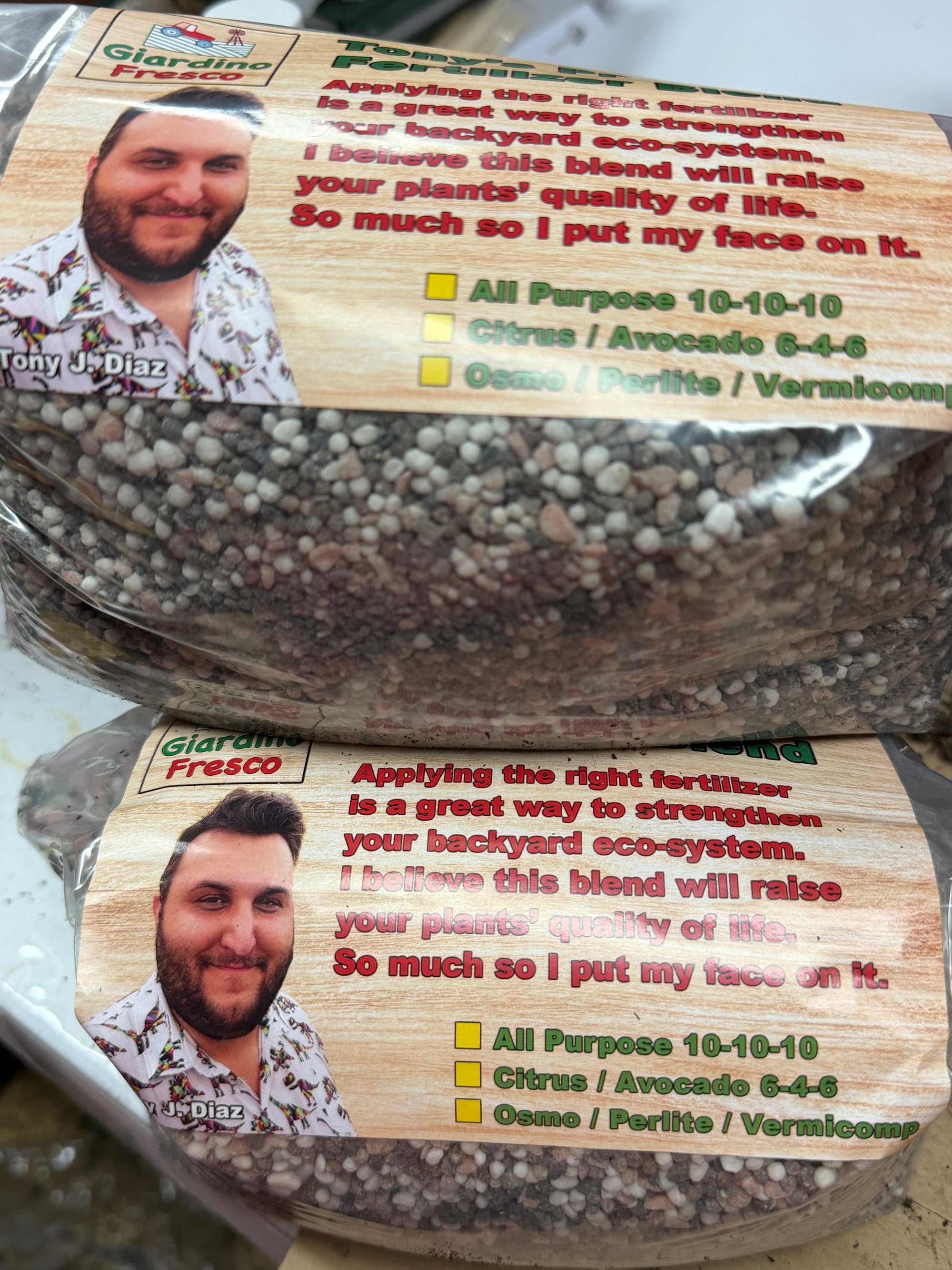
Young trees benefit from small, frequent feedings during the warm months. A balanced 10-10-10 Fertilizer works well as a base. For a full schedule, see when and how to fertilize fruit trees in Florida.
Watering
Water new trees often during the first weeks, then once or twice a week during dry spells for the first year or two. Established starfruit handle short dry periods, but steady moisture while fruit is developing helps the tree hold its crop and keeps fruit juicy. Mulch around the tree, keeping it a few inches off the trunk.
Flowering and harvest
Carambola can flower several times a year in South Florida, so it's common to see flowers, small fruit and ripe fruit on the tree at once. In Florida, the heaviest crops usually come from late summer into winter. Each tree is a little different, so expect some variation.
For eating at home, pick fruit when it's mostly or fully yellow. The ribs are the last part to color. Fruit picked with a little green on the rib edges will continue to color on the counter and handles better, while fully yellow fruit is best eaten soon.
Pruning
Light pruning after a main harvest keeps the tree compact and open. Remove dead wood, crossing branches and overly tall shoots. Starfruit bear on older wood as well as new growth, so there's no need for heavy cuts. Clean, sharp hand pruners make it easy.
Cold tolerance
Established starfruit can usually handle a brief light freeze with some leaf damage, but young trees are much more vulnerable. In Tampa Bay and Central Florida, plant in the warmest spot you have, often the south side of a building, and cover young trees on freezing nights. Container growing is another good option outside South Florida, so you can move the tree into shelter during a cold snap. Our guide to protecting fruit trees from Florida freezes explains how.
Pests to watch
Starfruit is fairly tough, but keep an eye out for stink bugs and other plant bugs on developing fruit, fruit flies on ripe fruit and birds that find the crop before you do. Harvest promptly and pick up fallen fruit to reduce problems. Sap-feeding insects like scale can show up too. See our guide to scale, mealybugs and sooty mold.
An important health note
Starfruit contains oxalates and other compounds that can be harmful to people with kidney disease. If you or a family member has kidney problems, talk with your doctor before eating starfruit. For everyone else, it's a refreshing, juicy treat straight off the tree.
Grow your own stars
I'm Tony, a botanist and arborist, and I run Giardino Fresco with my family in Miami. Starfruit is one of my favorite trees to recommend to new growers because it's productive, attractive and not too fussy.
Ready to plant one? Shop the Arkin Starfruit, or get it alongside tamarind, cacao and ice cream bean in Tony's 4 Favs Bundle. We ship within Florida and nearby Gulf states, with local pickup anytime. In Miami-Dade and worried about a struggling tree? Book a Sick Tree Diagnosis Visit.